No. F-13 · Metallic finish
Venetian plaster and metallic paint
Layered plaster and metallic paint with real depth and a soft sheen that changes with the light, worked by hand by an owner-operated Providence studio.
Why flat paint cannot do what a plastered wall does
Flat paint is one layer of color sitting on a surface. Light strikes it, bounces back evenly, and the wall reads as a plane. Venetian plaster and metallic paint are built the other way round: thin layers that catch light at different depths, so the wall seems to shift a little as you cross the room.
That depth is also where the work goes wrong when it is rushed. A plaster coat laid over an uneven wall shows every ridge. A metallic glaze rolled on like ordinary paint streaks, and the lap marks never come out. Plaster that is not burnished properly looks chalky where it should look polished. The finish is only as good as the wall beneath it and the hand that works it.
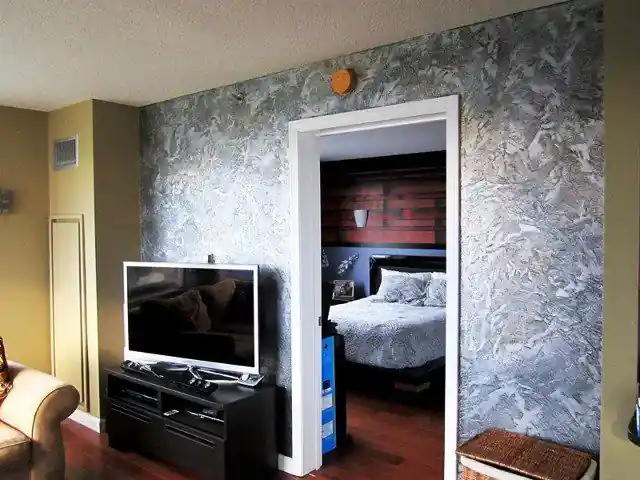
A silvered feature wall in a living room, finished in metallic paint by Renaissance Revival Painting
Prep, plaster, burnish
The wall comes first. Cracks are filled, ridges sanded flat, and the surface is primed so the plaster has something to grip. Skipping that step is the usual reason a trowelled finish lifts or telegraphs the flaws under it.
Venetian plaster itself is lime or marble-dust plaster, tinted and laid on in several thin coats with a steel trowel, working in crossing strokes. Each coat is let dry and lightly sanded before the next goes on. The last pass is burnished, pressing the clean trowel against the nearly dry surface until the plaster takes a soft, stone-like sheen, then sealed with wax or a clear topcoat.
Metallic paint follows the same patience on a different footing. The base coat is chosen to sit under the metal, a deep red-brown beneath copper or a cool grey beneath silver, and the metallic glaze is worked in sections on a wet edge so no join shows. The studio's painters trained in fine arts and color theory, and it is that training that decides how much shimmer a room can carry.
Where it suits a room, and how to live with it
Plaster and metallics earn their place on a single feature wall, in a dining room, a powder room, a stair hall or overhead on a ceiling. A whole house of them is rarely the right call; one wall that holds the light is usually enough to change how a room feels at dusk.
Care is gentle: a soft dry cloth for dust and a barely damp one for marks, with no abrasive cleaners on a waxed or sealed surface. Because the finish is built by hand, a mark or scuff can be blended by hand as well, instead of repainting a wall corner to corner.
For homes in Providence and Newport, and across the line in Boston and Worcester, call (401) 351-4757, Monday to Friday, 8 AM to 5 PM. The studio will talk through the room and arrange a free estimate.
Owner-operated in Providence since 2001 · fine arts and color theory · free estimates
Metallic and plaster works
Walls where the surface does the work
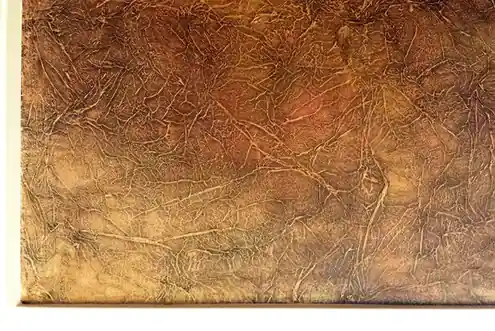
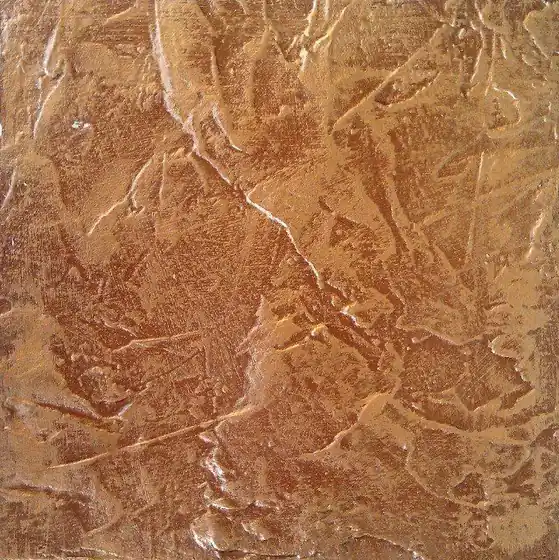
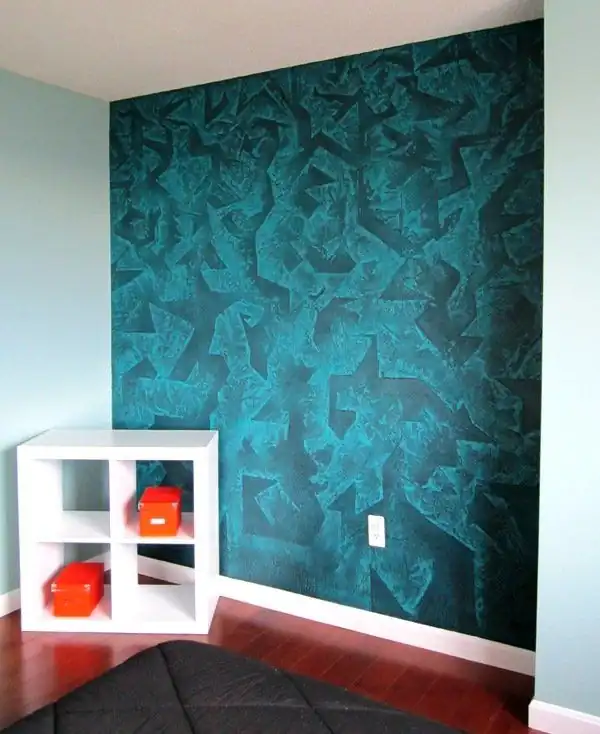
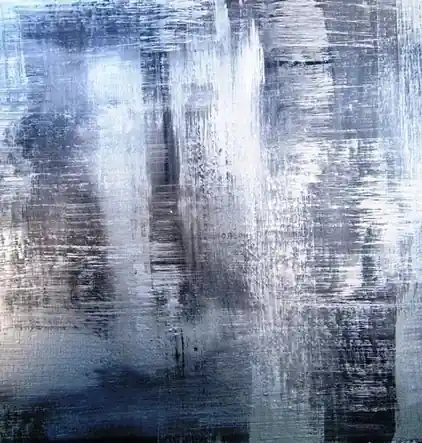
Each plate below is a wall from the studio's own record, copper, silver, bronze and tinted plaster. The rest of the decorative range is on the faux finishes portfolio, and the techniques are explained on the faux finishes service page.


Not sure which metal or which tone belongs in your room? That is a color question first, and the studio answers it on the color consultation page before a trowel comes out.