Repaint, Age or Hand-Paint: Giving Old Furniture a Second Life
There are four honest ways to repaint a piece of furniture, and the right one depends on what the piece has already been through.
October 16, 2026 · 4 min read
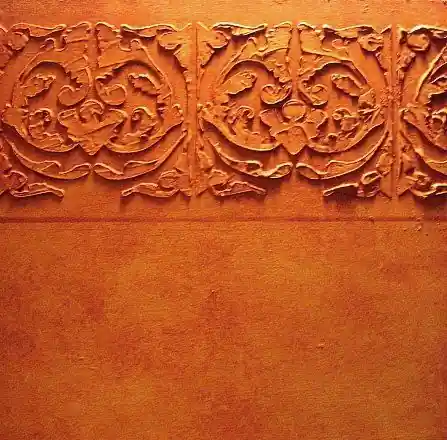
Most of us have a piece that doesn't match anything anymore and that we still can't bring ourselves to get rid of. A dresser from a grandparent's bedroom. A table that survived three apartments. A chair with good bones and a finish that's seen better years. Furniture like that is worth saving, and painting is one of the best ways to do it. The question is which kind of painting.
Four ways to paint a piece
A painter who works on furniture usually offers four routes, and they give you four very different results from the same dresser.
Straight painted is the cleanest option. A solid color, smooth and even, in a sheen that suits the piece. Done properly, it looks like a factory finish, only better, because the painter can pick any color in the world and match it to your room. This is the right choice for a plain mid-century dresser, a kitchen table or a set of chairs that need to join the rest of the room.
Faux finished adds a decorative technique over the paint: a glaze, a marbled top, a wood grain painted on a surface that never had one, a metallic accent on the hardware panels. This is the way to go when the piece is plain but you want it to look special.
Aged is the opposite of factory smooth. The painter layers colors, then softens edges and wears the finish back in the places a piece would wear naturally, like corners, drawer edges and the rim of a tabletop. It's a look built to match a country room or an old house. It works because it's controlled, and a good aged finish looks like long use even when the paint is brand new.
Hand painted designs are the most personal. Flowers on a headboard, a scroll or a border on a chest, a pattern around the drawer fronts, a stencil that echoes a motif elsewhere in the room. The paint goes on by hand, so the piece becomes one of a kind. It's the choice for a nursery piece, a hall table or a cabinet that is meant to be admired.
Prep is where the work lives
On furniture, paint fails at the surface, not in the can. A piece that's been waxed, oiled or lived on for years carries a film of dirt and polish that paint can't grip. Good prep for a piece usually looks like this:
- Clean the whole piece to remove oils, wax and years of handling.
- Remove hardware, drawers and doors so each part gets painted evenly.
- Sand the old finish to give the new paint something to hold, and smooth any rough spots.
- Fill dents, gouges and open grain, then sand the fills flush.
- Prime, using a primer that suits the surface, especially on dark wood that tends to bleed through light paint.
- Apply the color in thin, even coats and let each one set before the next.
Skipping any of these is how you get paint that chips off a drawer edge the first month. The extra attention to prep costs more time up front and saves a repaint later. Renaissance Revival Painting does the same kind of prep on furniture that it does on walls and woodwork: sanding, filling and priming before any color goes on.
When restoring beats replacing
There's a simple check for a piece worth saving. Pull out a drawer and look at how it's built. Dovetailed corners, solid wood sides and a drawer that slides smoothly are good signs. Push on the frame. A piece that wobbles badly in the joints may need glue and clamps before it needs paint, but if the joints can be tightened, the piece is likely to outlast a new one.
Solid wood is almost always worth restoring. It can be sanded, filled, refinished and painted over and over. A heavy old table with a few scars is a better bet than a lightweight new one that will never be repaired. Pieces with real weight in them have lasted this long for a reason.
There's also the emotional math. If the piece belonged to someone, or came from a home that doesn't exist anymore, a new one is never an equal trade. Restoring it keeps what matters about it and lets you change what doesn't, like the color or the tired finish. That's what we mean when we talk about restoring a beloved piece of furniture.
When is replacing smarter? A piece with water-swollen particleboard, a frame that's cracked through the structure, or a top that has peeled to the core usually isn't worth the effort. Paint can't give back strength that the material has lost. A painter who looks at the piece in person can usually tell you quickly which category it falls in.
Matching the piece to the room
Think about the room first. A dresser in a bedroom with a wall of striped paint might want a quiet solid color. A hall table in a plain entry could carry a hand-painted border. An aged finish suits a house with old woodwork, while a crisp, straight finish suits a bright, modern kitchen. If you've already picked a wall color, bring a sample so the furniture and the wall are chosen together.
The studio at Renaissance Revival Painting also offers repainted furnishings to shop, so if you have a space to fill and no piece to start with, ask what's there. For a free estimate on something of your own, call (401) 351-4757 or send a photo through the contact page.
Renaissance Revival Painting, (401) 351-4757
Call (401) 351-4757More articles
Venetian Plaster Versus Faux Finish Paint for Your Walls
Plaster is something you feel with your hand; a faux finish is something you read across the room, and each belongs in different rooms.
Planning a Mural for a Child's Room or a Family Room
A good mural starts with a decision about the wall, not a picture, and the picture comes second.